Categories
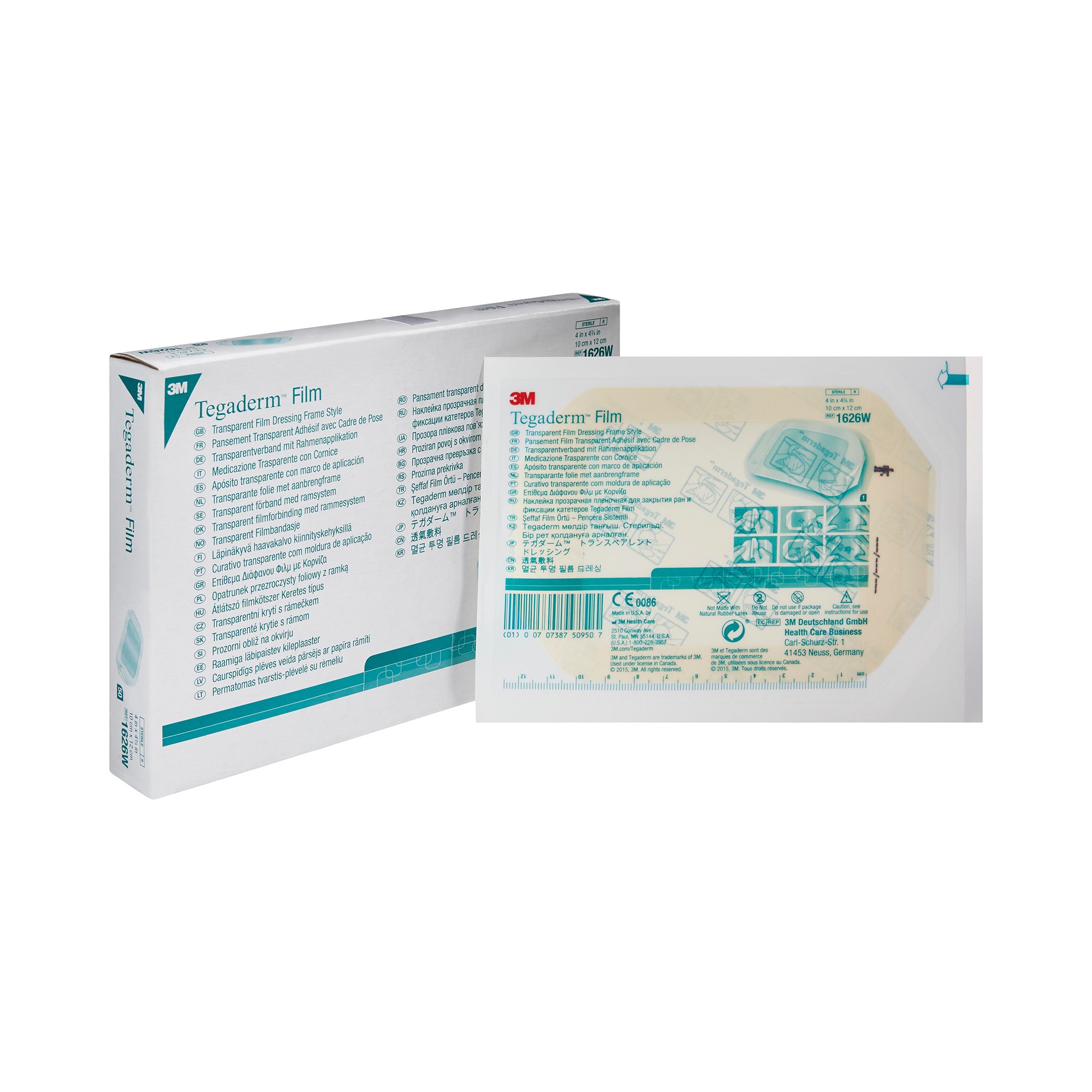




3M # 1626W
Frame Style Transparent Dressing with Label, 4" x 4", 50/bx, 4 bx/cs
SKU Number: MAP01183219
Ships within 24 Hours
$ 176.50 $ 176.50
Log in or create an account to proceed with checkout.
How Can We Help? Fast answers on bulk discounts, same-day shipping, and other questions for our team
Request Product Info
3M #1626W Transparent Tegaderm Film Dressing – 50/bx, 4 bx/cs
3M™ Tegaderm™ 1626W is a sterile, transparent polyurethane film dressing designed to protect I.V. catheter sites and wounds, maintain a moist healing environment, and securely anchor devices to the skin while allowing continuous visual assessment.
Product Specifications
- SKU:3M # 1626W
- Brand: Solventum (3M™ Tegaderm™)
- Size: 4" x 4"
- Quantity Packaging: 50/bx, 4 bx/cs (200/cs)
- Application: Transparent Film Dressing
- Delivery Method: Frame Style (picture-frame), With Label
- Shape: Rectangle
- Material: Adhesive / Film (polyurethane film)
- Sterility: Sterile
- Latex Free Indicator: Not Made with Natural Rubber Latex
- HCPCS: A6258
- UNSPSC: 42311527
- Availability: Ships within 24 hours
Key Features
- Sterile waterproof barrier - protects against liquids, bacteria, and viruses; in-vitro testing demonstrates a viral barrier for viruses ≥27 nm while the dressing remains intact without leakage.
- Breathable and conformable - oxygen and moisture-vapor permeable film flexes with skin for greater comfort.
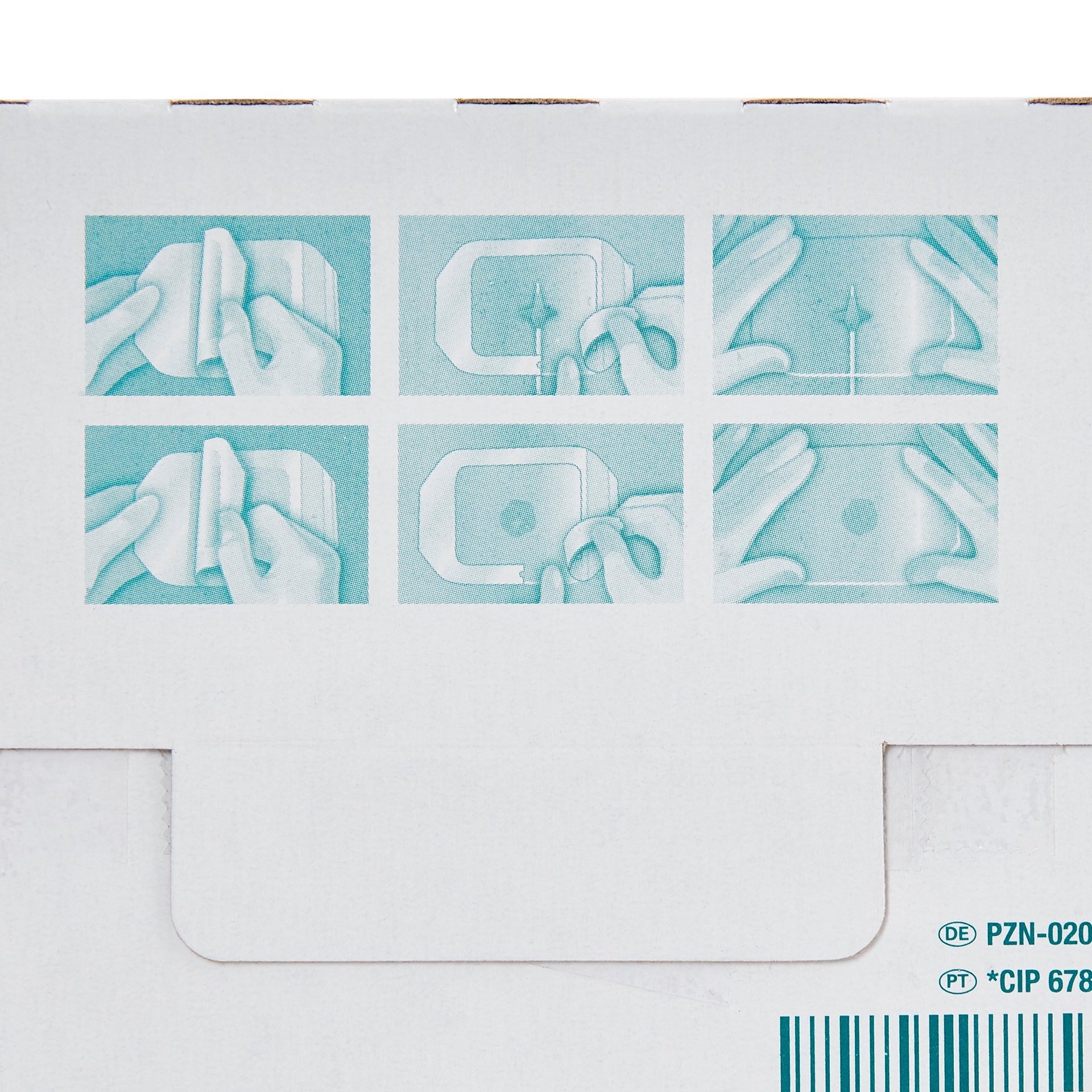
- Picture-frame delivery - framed adhesive border enables precise, one-person placement with gloved hands.
- Gentle to skin - hypoallergenic, low dermatitis potential; “stretch-and-release” removal helps minimize skin trauma.
- Continuous visualization - clear film allows ongoing observation of the I.V. insertion site or wound without removing the dressing.
- Versatile portfolio - unique shapes and designs support both I.V. securement and wound coverage.
Suggested Applications
- Covering and protecting peripheral/central I.V. catheter sites; device securement (e.g., lines, feeding tubes).
- Superficial acute and chronic wounds: minor abrasions, superficial partial-thickness burns, Stage I–II pressure ulcers.
- Skin graft donor sites and primarily closed, clean surgical incisions.
- Maintaining a moist environment to support autolytic debridement of shallow wounds.
- Protective eye covering in perioperative settings.
- Post-tattoo application/removal where a transparent film is indicated.
Your Dynamic Snippet will be displayed here...
This message is displayed because youy did not provide both a filter and a template to use.
You may also be interested in...